gp wire,general purpose wire,pvc insulated wire,building wire,electrical wire
Definition of GP Wire: What Is General-Purpose Wire?
GP Wire, short for General Purpose Wire—often translated into Chinese as “general-purpose wire” or “general-purpose wiring cable”—is the most frequently used type of wire product in low-voltage electrical installations. Its name reflects its core purpose: rather than being designed for a specific application, it meets the most common wiring needs in residential, commercial, and general industrial settings, including lighting circuits, outlet circuits, switch control wires, and power supply lines for small appliances.
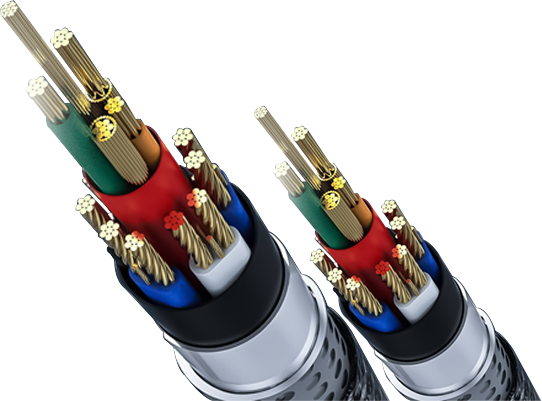
GP Wire typically consists of an insulated copper conductor covered by a PVC insulation layer; multi-conductor products also feature an additional PVC jacket. Some specifications include a separate insulated ground conductor for protective grounding of equipment metal enclosures, which aligns with the structure of residential wiring in many markets. It is also known in the market as “House Wire,” “Building Wire,” or “General-Purpose PVC Wire,” all of which essentially refer to the same product category.
It should be noted that GP Wire is not a cable type specifically defined by any international standard, but rather a generic market term commonly used in the electrical markets of Commonwealth countries such as South Africa. These products typically comply with local cable standards, such as the PVC-insulated, PVC-sheathed cables specified in the South African SANS 1507 standard. Understanding this is crucial for verifying standards and requesting international trade quotations.
Structural Composition of GP Wire
Although GP Wire comes in numerous specifications, its basic structure is highly consistent. From the inside out, it primarily consists of the following components:
- Conductor: Typically made of round copper wire to ensure excellent electrical conductivity. Common configurations include single-strand solid conductors and multi-strand stranded conductors; larger cross-sections tend to use a stranded structure to enhance flexibility and facilitate installation.
- Insulation Layer: PVC insulation covers the outer surface of each conductor. Its purpose is to isolate live conductors, prevent electrical leakage and short circuits, and ensure personal safety. PVC insulation also provides a certain degree of heat resistance and flame retardancy.
- Sheath Layer: The outermost PVC sheath of multi-core GP Wire encloses all conductors together, providing mechanical protection against abrasion, compression, and moisture intrusion.
- Grounding Conductor: Some specifications include an insulated grounding conductor inside, typically yellow-green in color, which is used to connect to the metal casing of equipment and, in conjunction with protective devices, provides ground fault protection.
In terms of cross-sectional area, GP Wire is commonly available in single-core, two-core, three-core, and three-core-plus-ground configurations. Single-core products are used for fixed wiring where the live and neutral wires are laid separately, while multi-core products are often used as power leads for complete sets of equipment and as extension cords, which are installed as a single, complete length during construction.
Common Specifications and Models of GP Wire
GP Wire specifications are primarily classified by conductor cross-sectional area. Common specifications available on the market include 1.5 square millimeters, 2.5 square millimeters, 4 square millimeters, 6 square millimeters, 10 square millimeters, and 16 square millimeters. The larger the cross-sectional area, the greater the current it can carry. In practical selection, 1.5 square millimeters is commonly used for lighting circuits, 2.5 square millimeters for standard outlet circuits, and 4 or 6 square millimeters for high-power circuits such as those in kitchens and for air conditioners. For the main service entry cable, specifications of 10 square millimeters or larger are selected based on the load size.
In addition to cross-sectional area, GP Wire is also classified into different models based on the number of conductors and structure: single-conductor PVC-insulated wire, consisting of a single copper conductor with PVC insulation, is used for the separate installation of live, neutral, and ground wires in fixed wiring; flat two- or three-conductor wires, with conductors arranged side-by-side in a flat configuration, are commonly used for lamp power cords and appliance leads; round multi-conductor sheathed cables, featuring multiple conductors enclosed in a PVC sheath, offer higher mechanical strength and are suitable for concealed in-wall installation, cable tray installation, and connections to distribution panels; three-conductor plus ground wire configurations include a yellow-green ground wire in addition to the live and neutral wires to meet the safety grounding requirements for appliances with metal casings. In some markets, GP Wire is further categorized into standard and heat-resistant types; the appropriate type should be selected based on the ambient temperature of the usage environment.
Main Application Scenarios for GP Wire
Residential Building Wiring
Residential buildings are the primary application area for GP Wire. For lighting circuits, outlet circuits, switch control wires, dedicated air conditioning circuits, and water heater circuits, GP Wire with cross-sections ranging from 1.5 to 6 square millimeters is commonly used. The PVC insulation provides electrical isolation, while the PVC jacket offers mechanical protection. It is easy to install and moderately priced, making it the standard choice for residential electrical work.
Commercial Buildings and Office Spaces
GP Wire is also widely used for lighting distribution, outlet distribution, and general power distribution in commercial buildings such as offices, retail stores, and shopping malls. These locations have certain requirements for flame-retardant performance; the flame-retardant properties of PVC material can delay flame spread to a certain extent. When purchasing, ensure the product meets local flame-retardant standards.
Auxiliary Power in General Industrial Settings
GP Wire is also used for powering low-power equipment in factory workshops, for lighting, and for internal wiring in control panels. It is important to note that in environments with a high risk of mechanical impact, high humidity, or corrosive gases, the protective capabilities of the PVC jacket are limited; armored cables or specialized industrial cables should be prioritized in such cases.
Temporary Power and Extension Cords
Multi-conductor, sheathed GP Wire is commonly used for temporary power circuits, power cords for portable equipment, and extension cords. When used with standard plugs and receptacles, it can meet temporary power supply needs at construction sites and outdoor events.
Differences Between GP Wire and Other Cables
Differences Between GP Wire and Twin and Earth Cables
Twin and Earth is a typical residential cable in the British standards system. It contains a live wire, a neutral wire, and a bare grounding conductor arranged in parallel, and usually lacks an outer sheath. Although GP Wire is also used for residential wiring, it tends to feature a PVC-insulated, PVC-sheathed structure, and the grounding conductor is usually insulated. While their applications overlap, their structural standards and scope of application differ.
Differences Between GP Wire and Armored Cables
Armored cables feature a steel tape or steel wire armor layer added over the insulated conductors, providing strong mechanical protection and making them suitable for direct burial, tunnel installation, and exposed installation. GP Wire has only a PVC sheath and lacks the compression and tensile resistance of metal armor; it is generally used for fixed wiring inside buildings and cannot replace armored cables in harsh installation environments.
Differences Between GP Wire and Fire-Resistant, Low-Smoke, Halogen-Free Cables
Fire-resistant cables can maintain power supply for a certain period under fire conditions, while low-smoke, halogen-free cables produce minimal smoke and corrosive gases when burning; both are classified as specialty cables. GP Wire is a general-purpose product that lacks these special properties and cannot be substituted for standard GP Wire in scenarios with specific regulatory requirements, such as fire protection circuits and areas with high concentrations of people.
Common Misconceptions About Using GP Wire
- Treating GP Wire as a “universal” cable: GP Wire is a general-purpose wiring product; it is not suitable for direct burial, damp or corrosive environments, or applications subject to severe mechanical impact. Using it beyond its intended scope can pose safety hazards.
- Neglecting the Match Between Cross-Sectional Area and Current-Carrying Capacity: Focusing solely on circuit names without considering load power and arbitrarily selecting a cross-sectional area can easily lead to overloading and overheating. The correct approach is to perform a comprehensive calculation based on load current, installation method, and ambient temperature.
- Ignoring the Importance of the Ground Conductor: Equipment with metal casings must be equipped with a ground conductor and reliably grounded. Omitting the ground conductor will compromise residual current protection, posing a risk of electric shock.
- Confusing GP Wire with Specialized Cables: Substituting standard GP Wire for fire-resistant or low-smoke, halogen-free cables in fire protection circuits or areas with high concentrations of people does not comply with code requirements.
- Focusing Only on Price, Not Material Quality: Low-cost products often cut corners on copper purity, cross-sectional area, and PVC raw materials. While problems may not be apparent in the short term, long-term use poses a fire hazard.
Frequently Asked Questions
First, can GP Wire be used outdoors? While the PVC jacket can withstand general moisture and sunlight, prolonged exposure to strong UV rays, extreme temperature fluctuations, and mechanical damage can cause it to age and deteriorate. For fixed outdoor installations, it is recommended to use weather-resistant cables or protect them with conduit.
Second, are GP Wire and Building Wire the same thing? The two terms are often used interchangeably and both refer to general-purpose building wiring cables; however, in different markets, they may correspond to different standards and model systems. When placing an order, you should rely on the standard numbers and detailed specifications provided by the supplier.
Third, is it necessary to distinguish between single-conductor and multi-conductor GP Wire? Yes. Single-conductor products are used for separately installed live, neutral, and ground wires, while multi-conductor products are used for power circuits installed as a single unit. Selecting the wrong configuration can lead to installation difficulties and wiring errors.
Fourth, how can you determine the quality of GP Wire? The most reliable method is to request a sample test report to verify the conductor material, cross-sectional area, insulation thickness, and sheath performance. Additionally, conduct an on-site inspection to ensure the correct number of conductors is present and that the packaging labels are clear.
Summary
GP Wire, short for General Purpose Wire, is one of the most widely used wire types in low-voltage electrical installations. Its primary structure consists of a copper conductor with PVC insulation and a PVC jacket. It is commonly used for lighting and outlet wiring in residential, commercial, and general industrial settings. Its core advantages lie in its versatility, comprehensive range of specifications, ease of installation, and moderate cost.
To understand GP Wire, focus on four key points: First, it is a generic market term rather than a single standardized model; when purchasing, be sure to verify the specific standards of the target market. Second, its structure consists of a conductor, insulation, sheath, and possibly a ground conductor; the number of conductors and cross-sectional area determine its application. Third, the selected specifications must match the load, installation environment, and current-carrying capacity. fourth, GP Wire is not a one-size-fits-all solution; armored or specialty cables should be selected for harsh environments. By mastering these key points, whether selecting products for domestic projects or responding to overseas inquiries and quotations, you can accurately identify GP Wire, avoid specification errors, and ensure that every procurement is safe, reliable, and offers good value for money.