How Do Electrical Cables Work?
What Is an Electrical Cable?
Definition of an Electrical Cable
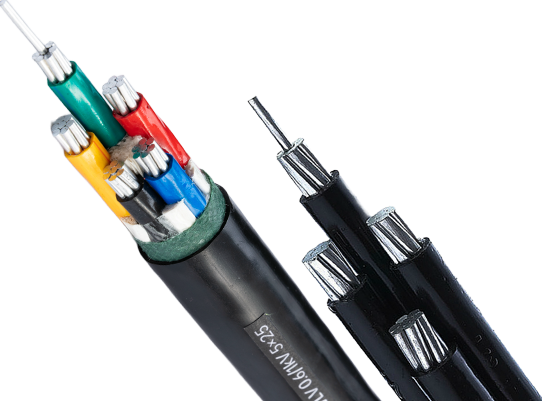
An electrical cable is a flexible or rigid assembly designed to transmit electrical power or signals between two points safely and efficiently. It consists of one or more conductive cores surrounded by insulating layers, protective shielding, and an outer jacket—all working in tandem to contain current, prevent hazards, and withstand environmental stress.
A common point of confusion is the difference between cables and wires:
A wire is a single, bare metallic strand that conducts electricity; it is uninsulated and used for basic conductive applications.
A cable is a fully assembled product with one or more insulated wires, protective layers, and structural support, engineered for safe, long-term use in real-world environments.
Electrical cables are ubiquitous across residential, commercial, industrial, and infrastructure settings:
Residential: Wiring for lighting, outlets, kitchen appliances, HVAC systems, and home entertainment.
Industrial: Power for heavy machinery, production lines, motors, and automation equipment.
Infrastructure: Power transmission grids, underground utilities, telecommunications networks, railway systems, and renewable energy installations (solar, wind).
Main Components of an Electrical Cable
Every electrical cable relies on four key components to function reliably:
Conductor
The conductor is the core of the cable—the pathway through which electricity flows. It is made of highly conductive metals that minimize energy loss. The most common materials are copper and aluminum, chosen for their low resistance, malleability, and cost-effectiveness.
Insulation
A non-conductive layer that surrounds the conductor to contain electrical current, prevent leakage, and stop direct contact between the conductor and other materials. Insulation is critical for safety and performance, as it eliminates shocks and short circuits.
Shielding (if applicable)
Used in high-voltage, data, or industrial cables, shielding is a metallic layer (often copper braid, foil, or tape) that blocks electromagnetic interference (EMI) and radio frequency interference (RFI). It ensures stable power delivery and clear signal transmission, especially in noisy environments like factories or data centers.
Outer Jacket
The outermost protective layer that shields the entire cable from physical damage, moisture, chemicals, UV radiation, extreme temperatures, and abrasion. Made from durable polymers, the outer jacket extends the cable’s lifespan and maintains internal integrity in harsh conditions.
The Basic Principle: How Electricity Travels Through a Cable
To understand how cables work, we first need to grasp the fundamentals of electricity and how it moves through conductive materials.
What Is Electric Current?
Electric current is the flow of electric charge—specifically, the movement of free electrons through a conductive material. Electrons are negatively charged particles that move from an area of high voltage (negative terminal) to low voltage (positive terminal) when a potential difference is applied.
There are two primary types of current:
Direct Current (DC): Electrons flow steadily in one direction. Common in batteries, solar panels, and electronic devices.
Alternating Current (AC): Electrons reverse direction periodically (50–60 times per second, depending on the region). Used for mains power in homes and businesses, as AC can be easily transformed to high voltages for long-distance transmission.
How Conductors Carry Electricity
Conductors work because their atomic structure allows free electrons to move easily through the material. Metals like copper and aluminum have loosely bound outer electrons that are not attached to a single atom, forming a "sea of electrons" that can flow when voltage is applied.
Why copper and aluminum are commonly used
Copper: Offers exceptional conductivity (second only to silver), low resistance, high ductility, and corrosion resistance. It is the gold standard for residential, commercial, and high-performance applications.
Aluminum: Lighter and more affordable than copper, with about 61% of copper’s conductivity. It is widely used for high-voltage power transmission lines, where weight and cost are critical factors.
Low electrical resistance
Resistance is the opposition to electron flow. Low resistance means less energy is lost as heat, making power transmission more efficient. Copper and aluminum’s low resistivity makes them ideal for carrying current over short and long distances.
Efficient energy transmission
By minimizing resistance, conductors ensure that electricity reaches its destination with minimal power loss. This efficiency is vital for reducing energy waste, lowering costs, and maintaining stable voltage levels.
The Role of Voltage, Current, and Resistance
The relationship between voltage, current, and resistance is defined by Ohm’s Law, one of the most fundamental principles in electrical engineering:
V = I × R
V = Voltage (electrical pressure that pushes electrons)
I = Current (flow of electrons)
R = Resistance (opposition to current flow)
This law directly impacts cable performance:
Higher voltage allows current to travel longer distances with less loss.
Thicker conductors have lower resistance, so they can carry more current without overheating.
Excessive resistance (from thin cables, long runs, or poor materials) causes overheating, energy waste, and premature cable failure.
In short, cables are engineered to balance voltage, current, and resistance to deliver power safely and efficiently.
Why Insulation Is Essential
Insulation is not just a protective layer—it is the backbone of electrical safety. Without proper insulation, cables would be lethal and unusable. Here’s why it matters:
Prevents electric shock
Insulation creates a physical barrier between the live conductor and human contact. It stops current from leaking out of the cable, eliminating the risk of fatal electric shocks when touching cables or devices.
Prevents short circuits
A short circuit occurs when two conductors touch directly, causing an uncontrolled surge of current that can start fires or damage equipment. Insulation keeps conductors separated, preventing accidental contact and short circuits.
Protects against moisture, chemicals, and heat
Moisture increases conductivity and causes corrosion; chemicals degrade conductors; and heat breaks down materials. Insulation repels water, resists chemical damage, and withstands high temperatures to preserve cable integrity.
Common insulation materials
Different materials are used for specific applications, each with unique properties:
PVC (Polyvinyl Chloride): Affordable, flexible, and widely used for low-voltage residential cables. Resists moisture and chemicals but has a lower temperature rating.
XLPE (Cross-Linked Polyethylene): High-performance insulation with excellent thermal resistance, durability, and long lifespan. Used for high-voltage, industrial, and underground cables.
Rubber: Flexible and heat-resistant, ideal for portable cords, industrial tools, and high-temperature environments.
PE (Polyethylene): Moisture-resistant and low-loss, used for communication cables and outdoor installations.
Types of Electrical Cables and How They Work
Electrical cables are categorized by their function, design, and application. Each type is engineered to meet specific power, signal, or environmental needs.
Power Cables
Power cables are designed to transmit large amounts of electrical energy from power sources to loads. They are built with thick conductors and robust insulation to handle high currents and voltages.
Residential: Used for indoor wiring, lighting, and appliance circuits.
Commercial: Power for offices, retail spaces, and public buildings.
Industrial: Heavy-duty cables for factories, machinery, and high-voltage equipment.
Control Cables
Control cables carry low-voltage control signals rather than high power. They connect control panels to motors, sensors, and automation systems, regulating equipment operation.
Used in manufacturing lines, robotics, HVAC controls, and industrial automation.
Often shielded to prevent interference from nearby power cables.
Communication Cables
Communication cables transmit data signals instead of electrical power. They are optimized for high-speed, low-loss signal transfer.
Ethernet Cables: Twisted-pair cables for local area networks (LANs), internet, and computer connectivity.
Fiber Optic Cables: Use light signals instead of electricity to transmit data over long distances at ultra-high speeds. Immune to EMI and ideal for telecommunications.
Coaxial Cables: Shielded cables for TV, internet, and high-frequency signals.
Flexible Cables
Flexible cables are designed with stranded conductors and soft insulation to withstand repeated bending, twisting, and movement.
Used in robotics, portable devices, machinery with moving parts, and household appliances.
Resist fatigue and breakage from constant motion.
Factors That Affect Cable Performance
Cable performance depends on several key factors. Choosing the wrong specifications leads to inefficiency, failure, and safety risks.
Conductor Material
Copper: Higher conductivity, lower resistance, longer lifespan, and better corrosion resistance. Preferred for critical applications.
Aluminum: Lighter and cheaper, but requires larger cross-sections to match copper’s performance. Used for high-voltage transmission where cost and weight matter.
Cable Size (Gauge)
Cable size (measured by AWG or cross-sectional area) directly affects:
Current-carrying capacity: Thicker cables carry more current without overheating.
Voltage drop: Longer cable runs cause voltage loss; thicker cables minimize this drop, ensuring stable power delivery.
Temperature
Heat is a cable’s biggest enemy:
Current flow generates heat; excessive heat degrades insulation, increases resistance, and shortens lifespan.
Every 10°C rise in operating temperature can halve a cable’s service life (per the Arrhenius equation).
High temperatures reduce efficiency and increase fire risk.
Installation Environment
Indoor: Protected from weather, so standard cables are sufficient.
Outdoor: Requires UV-resistant, waterproof jackets to withstand sun, rain, and temperature extremes.
Underground: Needs armored, moisture-proof insulation to resist soil pressure, water, and corrosion.
Wet/hazardous environments: Chemical-resistant, flame-retardant, or explosion-proof cables for safety.
Common Electrical Cable Problems
Cables can fail due to age, misuse, or poor installation. Recognizing these issues helps prevent hazards and downtime.
Overheating
Caused by overloading, undersized cables, poor ventilation, or high ambient temperatures. Leads to insulation melting, fire risk, and permanent damage.
Damaged insulation
Cracks, cuts, or wear from physical stress, UV exposure, or aging. Causes current leakage, shocks, and short circuits.
Corrosion
Moisture, chemicals, or saltwater oxidize conductors, increasing resistance and reducing performance. Common in outdoor or underground cables.
Loose connections
Loose terminals create resistance, generate heat, and cause intermittent power loss. A leading cause of electrical fires.
Overloading
Running more current than the cable’s rated capacity overheats conductors, breaks down insulation, and destroys the cable.
Safety Tips for Using Electrical Cables
Safe cable use prevents accidents, extends lifespan, and ensures compliance with regulations. Follow these critical tips:
Choose the correct cable type
Match the cable to the application: power vs. control, indoor vs. outdoor, voltage rating, and environmental conditions.
Avoid overloading circuits
Never exceed a cable’s current-carrying capacity. Use circuit breakers and fuses to protect against overloads.
Inspect cables regularly
Check for fraying, cracks, discoloration, or overheating. Replace damaged cables immediately.
Replace damaged cables immediately
Do not repair broken cables with tape; damaged insulation compromises safety and performance.
Follow local electrical codes
Adhere to national and regional standards (e.g., NEC, IEC, BS) for installation, sizing, and safety. Codes are designed to protect people and property.
How to Choose the Right Electrical Cable
Selecting the right cable requires careful consideration of your specific needs. Follow this step-by-step guide:
Determine voltage requirements
Choose a cable with a voltage rating equal to or higher than your system’s operating voltage.
Calculate current load
Measure the total current draw of connected devices. Select a cable with sufficient ampacity (current-carrying capacity) to handle the load without overheating.
Consider environmental conditions
Account for temperature, moisture, chemicals, UV exposure, and physical stress. Choose jackets and insulation suited to the environment.
Check industry certifications and standards
Look for certifications like UL, CE, IEC, or CSA to ensure cables meet safety and performance requirements.
Consult professional specifications when necessary
For industrial, high-voltage, or complex projects, work with electrical engineers or suppliers to select the right cable.
Frequently Asked Questions (FAQ)
How does electricity move through a cable?
Electricity flows as free electrons moving through the conductive core, pushed by voltage. The electric field travels at nearly the speed of light, while electrons move slowly (millimeters per second)—delivering energy instantly to devices.
Why are copper cables more common than aluminum cables?
Copper has higher conductivity, lower resistance, better ductility, and greater corrosion resistance. It delivers more efficient power transfer and longer service life, making it ideal for most residential and commercial uses.
Can damaged insulation cause electrical hazards?
Yes. Damaged insulation leads to current leakage, electric shock, short circuits, and electrical fires. It is one of the most dangerous cable issues and requires immediate replacement.
What happens if a cable is overloaded?
Overloading generates excessive heat, melting insulation, damaging conductors, and causing short circuits or fires. It also drastically reduces the cable’s lifespan.
How long do electrical cables typically last?
Well-maintained cables last 20–30 years. Indoor copper cables with PVC insulation can last 30+ years; outdoor or underground cables may last 20–25 years. High temperatures, moisture, or overloading shorten lifespan significantly.
Conclusion
Electrical cables are masterpieces of engineering that combine physics, materials science, and safety design to transmit power and signals reliably. At their core, they work by providing a controlled pathway for electrons, protected by insulation and jackets to prevent hazards and ensure efficiency.
From the copper conductor carrying current to the insulation stopping shocks and the outer jacket enduring harsh conditions, every component plays a vital role. Understanding how cables work helps you make informed choices about selection, installation, and maintenance—critical for safety, efficiency, and reliability.
Always prioritize quality cables, proper sizing, correct installation, and regular inspections. By doing so, you ensure that your electrical systems operate safely, efficiently, and for decades to come. Whether in your home, business, or industrial facility, the right cable is the foundation of a safe and functional electrical system.