What is FG16R16?
In cable inquiries from the Italian and European markets, FG16R16 is a very common model. Many international procurement professionals are initially confused: What do the letters and numbers in this model stand for? How does it differ from FG7OR and FG16OR16? What types of projects can it be used for? FG16R16 is a low-voltage power cable model under the Italian Standardization System (CEI), with a rated voltage of 0.6/1 kV. It features flexible copper conductors, HEPR ethylene-propylene rubber insulation, and a PVC sheath. Thanks to its excellent flexibility and fire-resistant properties, it is widely used in power distribution, industrial, and renewable energy projects in Italy and the Mediterranean market. This article focuses on “What Is FG16R16,” providing a systematic explanation of the model’s definition, structure, technical parameters, application scenarios, common comparisons, and key selection criteria to help cable procurement and international trade professionals understand this leading model in the European market.
What Is FG16R16: A Low-Voltage Power Cable Based on Italian Standards
FG16R16 is a low-voltage power cable model designed and manufactured in accordance with the Italian CEI standards system. It is primarily used for power transmission and distribution in fixed installations. With a rated voltage of 0.6/1 kV, it can be used in both AC and DC systems and is one of the most widely used cable models in Italian residential, commercial, and industrial power distribution, as well as in new energy projects.
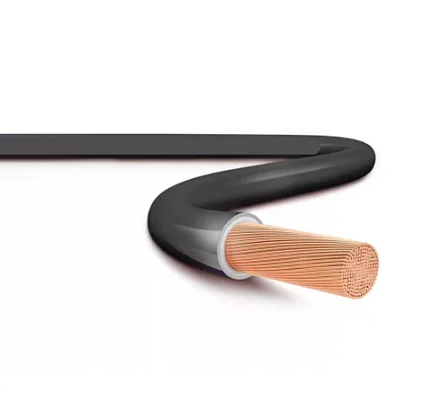
The typical structure of the FG16R16 consists of a Class 5 flexible bare copper conductor, covered with G16-grade HEPR ethylene-propylene rubber insulation, and an outer layer of R16-grade gray PVC sheath. This combination balances flexibility, heat resistance, flame retardancy, and resistance to mechanical damage, making it particularly suitable for power distribution circuits requiring frequent bending during installation. It should be noted that the FG16R16 is primarily intended for the Italian market; its design, production, and certification comply with relevant CEI standards and the EU Construction Products Regulation (CPR), making it a mainstream choice for projects in Italy and certain Mediterranean countries.
To understand the FG16R16, it is essential to first grasp the model naming convention. Italian cable models use alphanumeric combinations to indicate material and performance grades. By understanding this naming convention, one can quickly determine the cable’s insulation, sheath, and applicable scenarios—which is the focus of the subsequent sections of this article.
Breakdown of the FG16R16 Model Name
The FG16R16 model name consists of three core components, each corresponding to a specific material or grade of the cable.
- F: Indicates that the insulation uses a halogen-free (Halogen-Free) system, meaning the insulation material releases minimal halogen gases when burning. Combined with subsequent flame-retardant design, this reduces the hazards posed by toxic gases in the event of a fire.
- G16: Indicates that the insulation is a G16-grade HEPR ethylene-propylene rubber compound. HEPR is a rigid ethylene-propylene rubber that offers better heat resistance, electrical insulation, and mechanical strength compared to standard rubber. G16 is the standard grade designation for this material in the CEI system, corresponding to a maximum long-term operating temperature of 90 degrees Celsius.
- R16: Indicates that the sheath is made of R16-grade PVC material. R16-grade PVC sheathing offers excellent flame retardancy, weather resistance, and mechanical protection; the sheath is typically gray in color, consistent with cable standards in the Italian market.
Combining these three parts, FG16R16 refers to a low-voltage power cable with a halogen-free insulation system, G16-grade HEPR insulation, and an R16-grade PVC jacket. In technical documentation, FG16R16 is often written as FG16R16 0.6/1 kV to indicate the rated voltage rating; be sure to verify the complete model number when purchasing.
Structural Composition of FG16R16
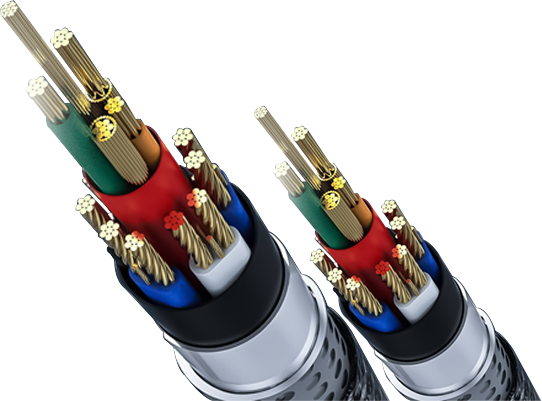
From the inside out, FG16R16 cables primarily consist of the following components, although there are slight variations in detail among products with different numbers of conductors and cross-sectional areas.
- Conductor: Class 5 flexible bare copper conductor, compliant with the EN 60228 standard; common cross-sectional areas range from 1.5 square millimeters to several hundred square millimeters. The Class 5 structure consists of multiple strands of fine copper wire twisted together, offering excellent flexibility and facilitating installation in confined spaces and along curved paths.
- Insulation: G16-grade HEPR (ethylene propylene rubber) insulation, applied to the outer layer of each conductor, provides reliable electrical isolation and allows for a long-term operating temperature of 90 degrees Celsius, with higher temperatures permitted during short-circuit conditions.
- Filler and Liner: Multi-core cables typically contain filler material between the conductors to maintain the cable’s round shape and enhance structural stability and moisture resistance.
- Sheath: An R16-grade gray PVC sheath encloses all conductors, providing protection against fire, abrasion, and weathering, while also facilitating identification at construction sites.
In terms of the number of conductors, FG16R16 covers a variety of configurations ranging from single-conductor to multi-conductor cables. Single-conductor products are commonly used in high-current circuits and DC systems, while multi-conductor products (including those with a ground wire) are used in three-phase or single-phase power distribution circuits. When selecting a product, the number of conductors and ground wire configuration should be confirmed based on system requirements.
Key Technical Parameters of FG16R16
The technical parameters of FG16R16 define its operational limits; the following are key specifications.
- Rated voltage: 0.6/1 kV, suitable for low-voltage power distribution systems.
- Maximum continuous operating temperature: 90 degrees Celsius; the insulation material can operate stably over the long term at this temperature.
- Minimum operating temperature: -15 degrees Celsius (under conditions without mechanical stress); special attention is required when installing in cold regions.
- Minimum installation temperature: 0 degrees Celsius; installation below this temperature may damage the jacket, so preheating is recommended.
- Test voltage: 4,000 V, used for factory inspection and on-site withstand voltage testing.
- Fire resistance: Complies with the Construction Products Regulation (CPR); the combustion performance class is typically Cca-s3,d1,a3, and meets flame-retardant testing standards such as EN 60332-1-2.
- Environmental Requirements: Complies with the EU Low Voltage Directive 2014/35/EU and the RoHS Directive 2011/65/EU.
These parameters indicate that the FG16R16 is a medium- and low-voltage power distribution cable intended for fixed installation. It is suitable for indoor, cable tray, conduit, and general outdoor environments; however, it is not specifically designed for direct burial or extremely harsh environments. Special operating conditions require the selection of appropriate specialized cables.
Main Application Scenarios for FG16R16
FG16R16 is widely used in the Italian and European markets, primarily covering the following application scenarios.
Building and Residential Power Distribution
FG16R16 multi-core cables are extensively used for service entry lines, floor-level power distribution, lighting, and outlet circuits in residential, office, and commercial buildings. Its flame-retardant properties and low-smoke, low-corrosive-gas characteristics meet building code requirements, and the gray jacket facilitates neat installation in cable trays and distribution panels.
Industrial and Infrastructure Projects
In infrastructure projects such as power circuits in factory workshops, power supply for mechanical equipment, pumping stations, and wastewater treatment facilities, FG16R16’s flexible conductors and heat-resistant insulation—which accommodate frequent installation and high ambient temperatures—make it a standard choice for industrial power distribution in Italy.
New Energy and Charging Infrastructure
In recent years, FG16R16 and products in the same series have been widely used in DC charging cables for electric vehicles and power distribution circuits for photovoltaic systems. The flexible conductors facilitate internal wiring within charging stations, while the HEPR insulation offers excellent heat resistance, capable of withstanding temperature rises during DC charging operations. Single-conductor, large-cross-section products are commonly used for DC connections between charging stations and battery packs.
Control and Signal Circuits
Some multi-core FG16R16 products are also used in control and signal cable applications, meeting the power distribution needs of fixed-installation control cabinets and field instruments. However, when selecting these products, one should verify suitability based on the signal type to avoid confusion with dedicated instrument cables.
Differences Between FG16R16 and Other Common Models
In the Italian cable system, there are several models that can easily be confused with FG16R16; clarifying the differences helps ensure accurate price inquiries and model selection.
FG16R16 and FG16OR16
The FG16OR16 and FG16R16 have essentially identical constructions—both feature HEPR insulation and a PVC sheath—and are often listed side by side in the market. The main differences lie in naming conventions and certification versions. The FG16OR16 typically corresponds to product documentation under the new CPR standard. When actually selecting a model, rely on the technical documentation and certificates provided by the supplier; there is no need to overthink the differences in model suffixes.
FG16R16 and FG7OR
FG7OR is another classic cable type in the Italian system, featuring rubber insulation and a neoprene sheath. It emphasizes oil resistance, weather resistance, and mechanical strength, and is commonly used in outdoor, mining, and harsh industrial environments. FG16R16, on the other hand, is more suited for building power distribution and general industrial applications. It has a PVC sheath, which offers good flame retardancy but is less oil-resistant than a neoprene sheath.
FG16R16 vs. FG16NR16
The FG16NR16 includes an additional “N” in its designation, typically indicating a specific low-smoke, halogen-free version or one meeting more stringent fire safety requirements. It is suitable for scenarios with strict restrictions on combustion byproducts, such as high-occupancy areas and fire protection circuits. When purchasing, select the appropriate version based on the project’s fire resistance rating requirements.
Common Misconceptions Regarding the Use of FG16R16
There are several common pitfalls regarding FG16R16 in actual use and procurement, which are summarized below.
- Treating FG16R16 as a universal cable: It is suitable for fixed installations in 0.6/1 kV power distribution systems but is not suitable for harsh environments such as direct burial, long-term submersion, or strong chemical corrosion. Using it beyond its intended scope will shorten its service life and pose safety hazards.
- Confusing PVC Sheathing with Halogen-Free Sheathing: While the insulation of FG16R16 is halogen-free, the sheath is made of PVC material. When burned, it still releases halogen gases and cannot be considered a fully halogen-free cable. Fire safety requirements must be verified in areas with high concentrations of people.
- Ignoring installation temperature limits: Installation at temperatures below 0 degrees Celsius may damage the sheath; preheating is required for winter installation, and forced installation should be avoided.
- Focusing Only on the Model Number, Not on Certification: Low-cost products may not have passed CPR certification or may fail to meet fire resistance standards. Request certificates for verification; do not rely solely on printed markings.
- Ignoring the Match Between the Number of Conductors and Cross-Section: A mismatch between the number of conductors, cross-section, and load can cause overheating or make wiring difficult. Selection should be based on calculations of the actual current and installation method.
Summary
FG16R16 is a widely used 0.6/1 kV low-voltage power cable under the Italian standards system. The “F” in the model designation indicates a halogen-free insulation system, “G16” denotes the HEPR ethylene-propylene rubber insulation grade, and “R16” indicates the PVC sheath grade. It features Class 5 flexible copper conductors, has a maximum continuous operating temperature of 90 degrees Celsius, complies with CPR fire safety requirements, and is widely used in building power distribution, industrial projects, and new energy charging facilities in Italy and the Mediterranean market.