Steel Tape Armoured (STA) and Steel Wire Armoured (SWA) cables are two widely used armoured cable types for power and control applications. Both designs add metal armour layers to protect cable cores from mechanical damage during transportation, laying and long-term operation. Many overseas contractors, electrical engineers and distributors often confuse STA and SWA, mistakenly treating them as interchangeable options. In fact, their structural design, mechanical protection characteristics, installation scenarios and load-bearing capacity differ significantly. Selecting the wrong armour type will lead to premature cable damage, insulation failure and costly project rework. This article clearly explains the distinctions between STA and SWA cables, helping project teams pick the right armoured cable for different engineering environments.
Basic Structure Definition
SWA stands for Steel Wire Armoured cable. Its armour layer consists of multiple galvanized steel wires helically wrapped around the inner bedding layer over cable cores. The steel wires are arranged tightly to form a flexible protective layer. The inner bedding separates conductors/insulation from the metal armour, while an outer sheath covers the armour to resist moisture and corrosion.
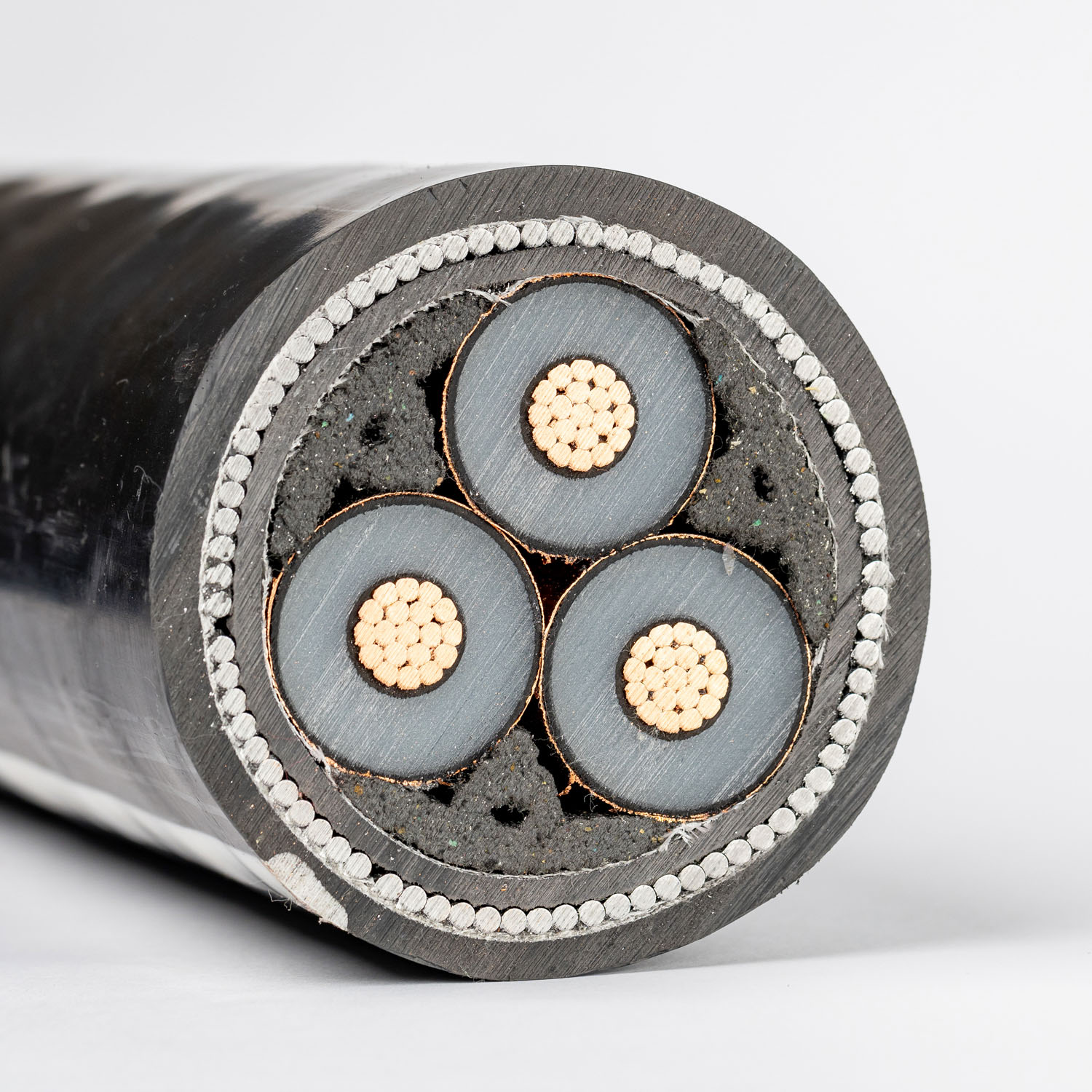
STA refers to Steel Tape Armoured cable. Instead of steel wires, it uses one or two layers of galvanized steel tape spirally wrapped around the cable bedding, with overlapping seams to form a continuous protective shell. Similar to SWA, STA cables also include inner bedding and outer sheath to prevent electrical contact between armour and insulated cores.
.jpg)
Working Principle & Mechanical Protection
The armour layer of both SWA and STA cables is designed to resist external mechanical forces, but they excel at different types of loads.
SWA’s round steel wire structure provides excellent resistance to tensile pulling forces. When cables are pulled vertically or under tension, the steel wires share the pulling load and prevent tensile fracture of cable cores. However, SWA performs relatively weakly against concentrated point loads and external crushing impacts. Sharp heavy objects can dent the outer sheath and damage the armour and insulation.
STA’s overlapping steel tape shell delivers superior anti-crushing and anti-compression performance. It disperses concentrated pressure, effectively resisting heavy static compression, impact and sharp object piercing. STA is good at withstanding vertical squeezing loads, yet its tensile resistance is limited. If subjected to large pulling force, the steel tape may tear or separate at overlapping joints, losing protective function.
Key Performance Comparison
1.Tensile strength
SWA: High tensile strength, suitable for scenarios with pulling tension.
STA: Low tensile strength; not recommended where large longitudinal pulling force exists.
2.Compression & impact resistance
STA: Outstanding anti-crushing and anti-sharp impact capability.
SWA: Moderate compression resistance, weaker than STA.
3.Cable flexibility
SWA: More flexible. The discrete steel wire structure allows smaller bending radius, easier routing around bends.
STA: Stiffer. Steel tape armour is rigid; requires larger bending radius during installation. Over-bending will crack the steel tape.
4.Corrosion resistance
Both SWA and STA adopt galvanized steel materials for rust prevention. If installed in corrosive soil, chemical environments or humid coastal areas, a suitable outer sheath (such as HDPE) must be selected for both types to enhance anti-corrosion performance.
5.Weight & cost
Under the same cable cross-section: SWA is heavier and usually higher in raw material cost. STA is lighter and more economical for many buried static laying projects.
International Standard & Testing Requirements
SWA and STA cables follow widely recognised IEC cable standards, mainly IEC 60502 for medium/low voltage power cables. Armour mechanical performance tests differ according to armour type. SWA cables undergo tensile load testing to verify that steel wires can withstand specified pulling force without breakage. STA cables focus on compression and impact testing, checking whether steel tape can protect inner cores under static pressure and sudden impact.
Chunbin Cable strictly manufactures both SWA and STA cables in compliance with IEC standards. Every batch passes mechanical armour testing, insulation integrity and ageing tests before delivery, ensuring stable protection performance for global engineering projects.
Core Application Differences
SWA (Steel Wire Armoured) Typical Applications
Due to high tensile resistance, SWA is the primary choice when cables bear pulling tension:
1.Vertical shaft laying in high-rise buildings
2.Overhead line drops, vertical risers
3.Subsea / river crossing cable installation (light tension conditions)
4.Pulling through long ducts where cable suffers tensile load
STA (Steel Tape Armoured) Typical Applications
STA is preferred for static laying under compression risk with minimal tensile force:
1.Direct underground burial (most common buried power cables)
2.Cable trenches, underground pipe galleries
3.Road crossing, pavement burial, where soil pressure and vehicle compression exist
4.Indoor fixed laying with risk of impact from construction machinery
Professional STA & SWA Cable Supply — Chunbin Cable
With 36 years of professional cable research, development and production experience, Chunbin Cable manufactures a complete range of SWA and STA armoured cables. Our portfolio covers low/medium voltage power cables, control cables with STA/SWA armour, supporting different cross-sections and outer sheath options including PVC, PE and LSZH.
Chunbin Cable implements full-process quality control, from raw material inspection, armour winding production to finished mechanical and electrical testing. Our factory owns professional laboratories to verify tensile, compression, impact and ageing performance for every armoured cable batch. Our STA and SWA cables comply with IEC standards and are widely exported to Africa, Southeast Asia and other global markets.
Our export team provides technical consultation, cable type selection guidance, parameter confirmation and project quotation services for contractors, distributors and project developers. We can customise armoured cables to match local project specifications such as SABS for South Africa.
Superior Quality Made by Chunbin Cable, China.